Confined entry space training services Ontario, including Toronto, Hamilton, London Grimsby, Oakville, Burlington and GTA. As well as Buffalo, Detroit and New York.
Confined entry space training is “NOT” an awareness course. Are you working in confined spaces? All workers that work in a confined space must have adequate training in the recognition of hazards associated with entering into a tight space. It is a requirement of the confined space regulations 632/05 Under The Occupational Health and Safety Act..
This onsite certification training will give trainees an opportunity to practice entering into a tight space using their equipment in a relaxed non-toxic environment.
FAQs
Yes, we offer confined entry space training in Toronto, throughout Ontario and select cities in the United States. Please contact a consultant for details.
Yes, as well as a number of other health and safety consulting services.
Sure, by booking multi courses you can save time and money.
The confined space pricing will depend on the number of trainees. We can only have 10 per class, additional classes would be scheduled to accommodate the number of participants.
We have been safety trainers and consultants for over 35 years.
Confined Space Training is a must for anyone in the workplace who is required to work in high risk confined spaces
Yes, we travel to Buffalo, NY and the Detroit area.
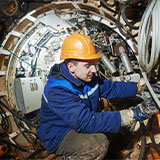
What is Confined Spaces?
- Enclosed or partially enclosed space that is not always primarily designed or intended for human occupancy.
- Has a restricted entrance or exit by way of location, size or means.
- Can represent a risk for the health and safety of the employee / person who enters it, due to one or more of the following factors:
- The materials or substances that occupies the space
- Mechanical, process and safety hazards present.
- The construction and design, location or atmosphere
- The type of work activities being carried out in it.
Simulated exercise, where each participant will:
- Put on appropriate equipment
- Simulate testing
- Simulate being top person and monitoring
- Actually enter a confined space (mock set/up or actual)
Who Should Attend?
All workers, supervisors, managers, engineers and members who are involved with or exposed to confined spaces.
Course Duration
One half-day (approximately 4 hours,) Groups of up to ten (20) trainees.



.jpg?h=2ee32e3039935d00f4c889c4583755ca)